Exploring Hypnosis: A Gentle Approach for the Squeamish Hypnosis often evokes images of swinging pendulums and stage performers coaxing volunteers into a trance, but beneath this captivating façade lies a world rich with potential for healing and personal transformation. For those who may feel apprehensive—even squeamish—at the thought of entering the realm of altered consciousness, the idea of hypnosis can seem daunting, if not entirely out of reach. Yet, it is important to understand that hypnosis is not a mystical phenomenon reserved for the bold; rather, it is a gentle tool that can empower individuals to explore their inner landscapes, unearth hidden potentials, and cultivate a sense of well-being. In this article, we will guide you through the nuances of hypnosis, addressing common misconceptions, and shedding light on its accessible and nurturing aspects. Join us as we unravel the mysteries of hypnosis with an inviting and gentle approach that welcomes even the most hesitant minds.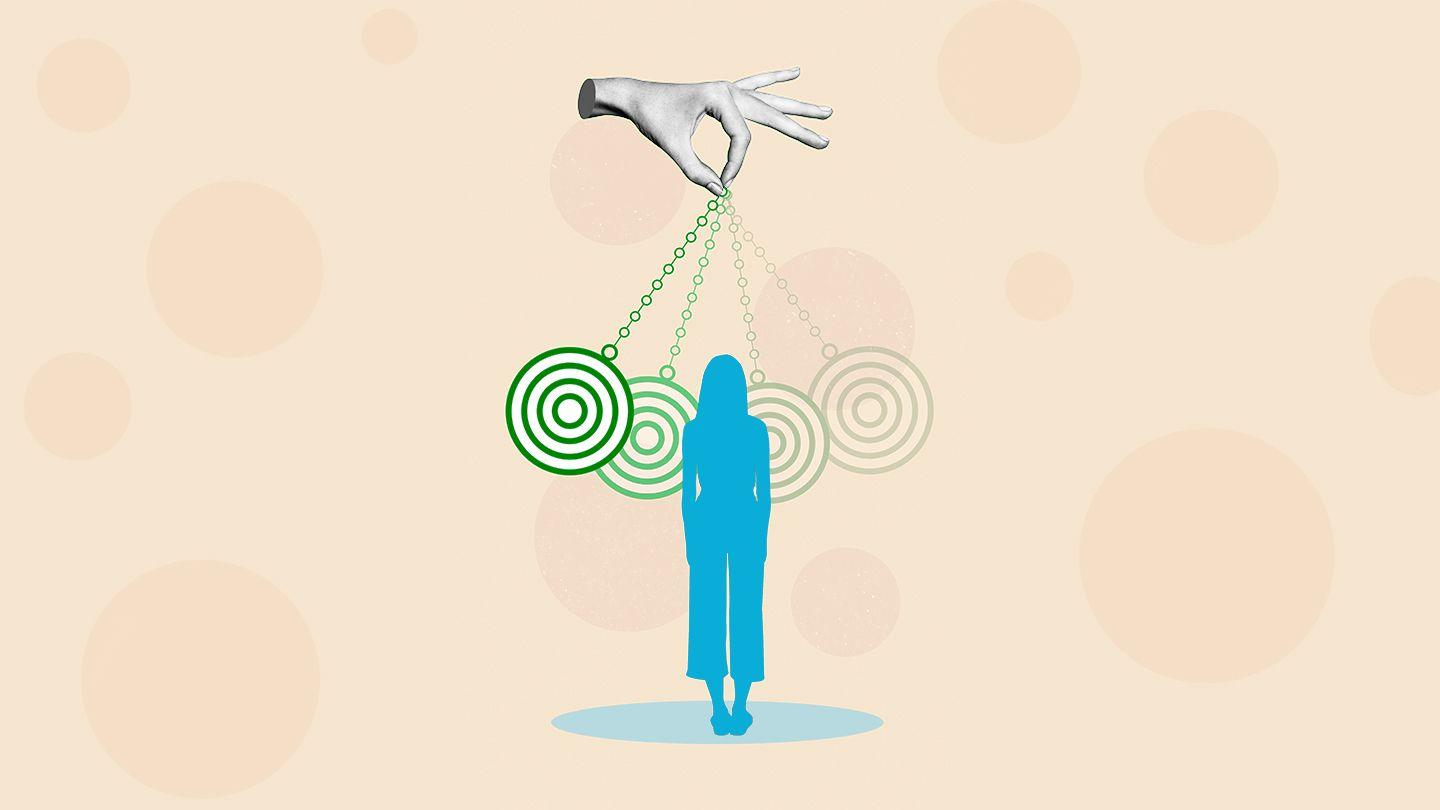
Understanding Hypnosis: Myths, Mechanisms, and Misconceptions
Delving into the world of hypnosis often brings forth a myriad of myths and misconceptions. Many people envision dramatic stage performances where participants cluck like chickens, but the reality is far more nuanced. Hypnosis is not a mystical state where someone else controls your mind; rather, it is a collaborative process between the facilitator and the participant. Common myths about hypnosis include:
- Loss of Control: Participants remain aware and can terminate the session at any time.
- Mind Reading: Hypnotherapists do not possess the ability to access a person’s thoughts or secrets.
- Sleep State: Although often described as a trance, individuals are in a heightened state of awareness.
Understanding the mechanisms behind hypnosis sheds light on its therapeutic potential. At its core, hypnosis is an altered state of consciousness that allows for focused attention and increased suggestibility. By employing techniques such as guided imagery and deep breathing, practitioners can help individuals access their subconscious mind, leading to profound changes in perception and behavior. To clarify how hypnosis operates in various contexts, consider the following table that illustrates common applications:
| Application | Description |
|---|---|
| Stress Reduction | Helps individuals manage anxiety and promote relaxation. |
| Pain Management | Assists in reducing the perception of pain through mental focus. |
| Behavior Modification | Encourages positive changes, like quitting smoking or losing weight. |
The Gentle Art of Induction: Creating a Safe Space for Reluctant Participants
When guiding individuals who may feel uncertain about hypnosis, it becomes essential to cultivate an atmosphere of comfort and acceptance. A gentle approach not only eases their anxiety but also encourages openness and trust. Consider the following strategies:
- Active Listening: Show genuine interest in their concerns and listen without judgment.
- Personalized Induction: Tailor the induction process to match their comfort level, incorporating familiar imagery or soothing sounds.
- Positive Reinforcement: Celebrate small milestones throughout the hypnosis experience, reassuring them that their participation is valued.
Additionally, enhancing the physical environment can significantly impact their willingness to engage. Here are simple adjustments to consider:
| Element | Suggestion |
|---|---|
| Lighting | Use soft, warm lighting to create a calming ambiance. |
| Seating | Provide comfortable seating options, such as plush chairs or cushions. |
| Temperature | Ensure the room maintains a comfortable temperature, avoiding extremes. |
| Decor | Incorporate soothing colors and artwork that evoke tranquility. |
Practical Applications of Hypnosis: From Stress Relief to Pain Management
Hypnosis serves as a versatile tool, transcending the realms of mere entertainment to provide profound utilities in therapy and personal wellness. For individuals grappling with chronic stress, the soothing backdrop of hypnotic suggestion can usher in an oasis of calm. By promoting relaxation and altering one’s perception of stressors, hypnosis fosters a mental space that encourages clarity and emotional resilience. Additionally, this practice has found its way into pain management, offering relief to those contending with conditions such as fibromyalgia and migraines. In these cases, the hypnotic state allows patients to modify their response to pain, effectively diminishing its intensity through mental reconditioning.
Moreover, the holistic nature of hypnosis extends to other practical applications, establishing it as a complementary approach in various medical and psychological fields. Here are some notable uses:
- Anxiety Reduction: By guiding individuals to a state of relaxation, hypnosis helps mitigate feelings of anxiety and promotes mental well-being.
- Smoking Cessation: Hypnosis has shown promising results in helping people break free from addictive behaviors.
- Insomnia Treatment: Through mental reprogramming, it assists in enhancing sleep quality and overcoming sleep disorders.
Tips for Navigating Hypnosis Sessions: Building Trust and Comfort with Your Practitioner
Establishing a rapport with your hypnosis practitioner is essential for a fruitful experience. A trusting relationship fosters an environment where you can relax, allowing suggestions to penetrate more effectively. Before your session, consider scheduling an initial consultation to discuss your goals and any concerns you might have. This can help demystify the process and lay the groundwork for a positive experience. Here are some practical tips for building that trust:
- Ask Questions: Don’t hesitate to ask about the techniques your practitioner uses and what to expect during the session.
- Share Your Comfort Levels: Communicate any anxieties or apprehensions to your practitioner; they’re trained to accommodate and reassure you.
- Seek Recommendations: Hearing from others who’ve successfully navigated the experience can boost your confidence and set your mind at ease.
As your session approaches, consider creating a calming mindset. Practicing relaxation techniques, such as deep breathing or gentle stretches, can help ease any tension. Here’s a simple table to summarize pre-session relaxation tactics:
| Technique | Description |
|---|---|
| Deep Breathing | Inhale deeply through your nose, hold, and exhale slowly through your mouth. |
| Visualization | Imagine a peaceful place or situation to help divert anxious thoughts. |
| Gentle Stretching | Loosen your muscles with light stretches to release tension before the session. |
The Way Forward
As we draw the curtains on our exploration of hypnosis, it’s essential to recognize the nuanced beauty of this practice, particularly for those who tread lightly on the edges of the unfamiliar. Hypnosis, often cloaked in misunderstanding, emerges not as a sensational spectacle, but rather as a gentle tool for exploration and self-reflection. For the squeamish or the apprehensive, the journey into hypnosis can be as soft as a whisper, inviting you to engage with your subconscious in a supportive embrace. Whether you are seeking to manage anxiety, break old habits, or simply deepen your self-awareness, the world of hypnosis offers a canvas upon which your personal narrative can unfold. Remember, embarking on this journey doesn’t require bravery like a daring adventurer; instead, it invites curiosity and an open heart. As you consider this gentle approach, allow yourself the grace of patience and the possibility of discovery. Who knows what insights and transformations await just beneath the surface of your awareness? In the realm of hypnosis, there lies a shimmering path, ready to guide you—one gentle step at a time.